
Franchise ownership guide offers a unique opportunity for aspiring business owners to tap into established brands while enjoying the freedom of entrepreneurship. This journey is not just about investing in a business; it’s about understanding the nuances of franchising, from selecting the right opportunity to managing day-to-day operations effectively.
This guide will navigate you through the essential elements of franchise ownership, including the advantages and challenges you may face, the critical steps to take, and the financial management necessary to thrive in this competitive landscape.
Franchise Ownership Basics
Franchise ownership is an appealing business model for many aspiring entrepreneurs. It allows individuals to operate a business under a recognized brand while enjoying certain operational support. Understanding the fundamental concepts of franchise ownership is essential for anyone considering this path.The advantages of owning a franchise include established brand recognition, proven business models, and ongoing support from franchisors. However, there are also disadvantages, such as initial investment costs and ongoing royalty fees.
This section will clarify key terms and definitions that are crucial for understanding franchising.
Understanding Franchise Ownership
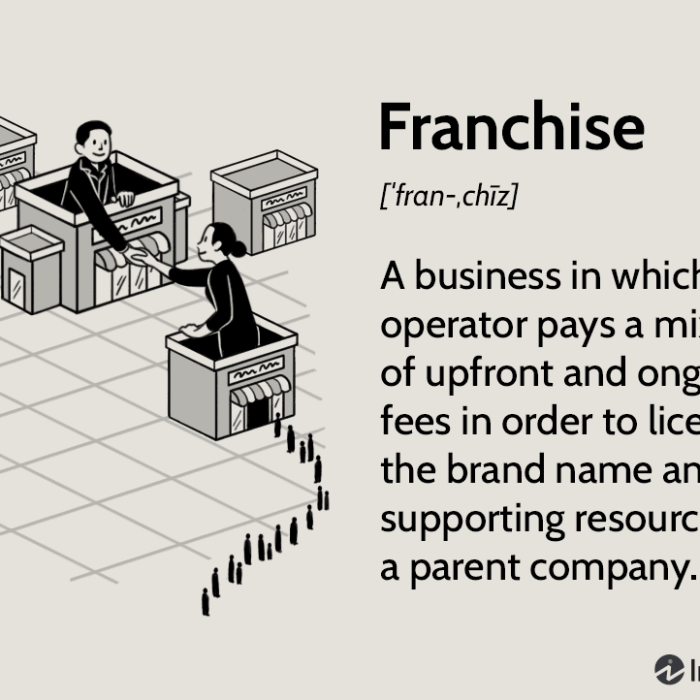
Franchising is essentially a relationship between two parties: the franchisor and the franchisee. The franchisor provides the brand, operational support, and often a business blueprint, while the franchisee invests in the business and operates it according to the franchisor’s guidelines.
- Franchisor: The company that owns the rights to the franchise and provides support to franchisees.
- Franchisee: The individual or company that purchases the rights to operate a franchise.
- Royalty Fee: Ongoing fees paid by the franchisee to the franchisor based on sales.
- Franchise Agreement: A legal contract outlining the terms and conditions of the franchise relationship.
- Initial Investment: The upfront costs associated with starting a franchise, including franchise fees, equipment, and supplies.
Steps to Becoming a Franchise Owner
Becoming a franchise owner involves a series of essential steps that help ensure a successful business launch. Following a systematic approach can maximize the chances of success and align the franchise with personal goals and financial situations.Starting the journey to franchise ownership requires careful planning and research. It’s crucial to evaluate personal goals, financial readiness, and the types of franchises that fit those criteria.
A structured checklist can be immensely helpful during this process.
Essential Steps in the Franchise Acquisition Process
To streamline the acquisition process, potential franchisees can follow these key steps:
- Conduct self-assessment to evaluate your skills, interests, and financial capabilities.
- Research various franchise opportunities that align with your goals.
- Request and review Franchise Disclosure Documents (FDD) from potential franchisors.
- Meet with current franchisees to gain insights into their experiences.
- Consult a franchise attorney to review legal agreements.
- Secure financing, if necessary, to cover initial investment costs.
- Attend training provided by the franchisor before opening the franchise.
Business Accounting for Franchise Owners
Managing financial records is a critical component of successfully running a franchise. Proper accounting practices ensure that franchise owners can track performance, manage expenses, and prepare for taxes effectively.Utilizing accounting software tailored for franchise operations can significantly streamline these processes. Understanding best practices for budgeting and forecasting is also essential for maintaining financial health within a franchise.
Managing Financial Records
Franchise owners should prioritize accurate financial record-keeping to monitor their business effectively. Key insights into managing these records include:
- Utilize Accounting Software: Software like QuickBooks or Xero can simplify tracking income and expenses, invoicing, and financial reporting.
- Regular Reconciliation: Regularly reconcile bank statements with financial records to catch discrepancies early.
- Budgeting: Create a detailed budget that Artikels expected income and expenses to guide financial planning.
- Forecasting: Analyze historical financial data to make informed predictions about future financial performance.
Accounting Payroll in Franchises
Managing payroll within a franchise setting presents unique challenges. Franchise owners must navigate compliance issues while ensuring their employees are paid accurately and on time.Establishing a clear payroll process is essential for maintaining legal compliance and fostering a positive work environment. This section will Artikel the payroll process specifically for franchises, highlight compliance considerations, and organize an efficient payroll schedule.
Payroll Process for Franchise Businesses
The payroll process in franchises involves several critical steps that ensure compliance and efficiency:
- Establish a payroll system that tracks employee hours, wages, and deductions.
- Stay updated on federal and state tax regulations to ensure compliance.
- Implement a schedule for payroll processing, typically bi-weekly or monthly, depending on company policy.
- Provide employees with pay stubs detailing their earnings and deductions.
- File payroll taxes accurately and on time to avoid penalties.
Business Advertising Strategies for Franchises
Effective advertising is crucial for franchise success. A well-executed marketing strategy can help franchises attract customers and build brand loyalty. Tailoring advertising efforts to fit the franchise model can maximize reach and engagement.This section will discuss a variety of successful advertising strategies and the role social media plays in promoting franchise businesses.
Effective Advertising Strategies
Franchises can use various advertising methods to increase visibility and drive sales. Here are some effective strategies:
- Local Marketing: Focus on local advertising to connect with the community and drive foot traffic.
- Social Media Campaigns: Utilize platforms like Facebook and Instagram to engage with customers and promote special offers.
- Email Marketing: Build an email list to inform customers about promotions, events, and news.
- Influencer Partnerships: Collaborate with local influencers to reach new audiences and create buzz.
Business Agriculture Franchising Opportunities
The agriculture sector presents unique opportunities for franchising, with various business models available for aspiring franchisees. Understanding the specifics of agricultural franchises is essential for identifying viable options.This section will highlight successful agricultural franchises and the challenges they face in the industry.
Viable Franchise Opportunities in Agriculture
Agricultural franchises can take various forms, from restaurants that emphasize farm-to-table concepts to retail stores selling organic products. Consider these elements when exploring opportunities:
- Farmers Markets: Franchises that operate within farmers markets can capitalize on local produce.
- Organic Grocery Stores: Organic grocery franchises meet the growing consumer demand for healthy eating.
- Agri-Tourism: Franchises that promote farm visits and experiences attract tourists while supporting agriculture.
Architecture and Interior Design for Franchise Spaces
The design of franchise spaces plays a significant role in brand identity and customer experience. Consistent design across locations ensures that customers have a uniform experience, which is vital for brand recognition.This section will discuss the importance of space planning and provide guidelines for selecting furnishings and supplies for franchise locations.
Importance of Design Consistency
Creating a cohesive brand image throughout franchise locations requires careful attention to design. Here are some key considerations:
- Brand Standards: Implement specific design standards that reflect the brand’s identity across all locations.
- Space Planning: Efficient layout planning can enhance customer flow and overall experience.
- Furnishings Selection: Choose furnishings that are durable and aligned with the brand’s aesthetic.
Business Branding for Franchises
Strong branding is crucial for franchise success. It differentiates the franchise from competitors and creates a recognizable image that resonates with customers. Effective branding strategies ensure brand consistency across all locations.This section will explore the elements of successful branding and provide examples of franchises with strong brand strategies.
Elements of Effective Branding
To establish a robust brand presence, franchises must focus on several key elements:
- Logo Design: A memorable logo helps establish brand recognition and loyalty.
- Brand Messaging: Consistent messaging that communicates the brand’s values and mission is vital.
- Customer Experience: Ensure that every customer interaction reinforces the brand image.
Business Travel Management for Franchise Owners
Travel management is an often-overlooked aspect of franchise operations but is essential for operational efficiency, especially for franchisees who travel for training, conventions, or corporate meetings.This section will discuss tips for managing travel expenses and creating effective travel policies for franchise networks.
Managing Travel Expenses
Franchise owners can benefit from establishing a structured approach to travel management. Consider the following:
- Define a clear travel policy that Artikels allowable expenses and procedures for booking.
- Utilize travel management software to track expenses and streamline the booking process.
- Encourage employees to book travel in advance to secure the best rates.
- Analyze travel expenses periodically to identify cost-saving opportunities.
Career Advice for Franchise Operators
Operating a franchise comes with its own set of challenges and rewards. Franchise owners should continually develop their skills, network within the franchise community, and seek opportunities for professional growth.This section will provide insights into essential skills for franchise owners and strategies for networking and continuing education.
Essential Skills for Franchise Owners
Successful franchise operators possess a diverse skill set that enhances their ability to run their businesses effectively. Key skills include:
- Leadership: Strong leadership skills are essential for managing teams and motivating employees.
- Financial Acumen: Understanding financial statements and budgeting is crucial for profitability.
- Marketing Knowledge: Knowledge of marketing strategies helps attract and retain customers.
Change Management in Franchising
Change management is an essential aspect of franchising, especially as market conditions and consumer preferences evolve. Franchise owners must be adept at implementing changes while minimizing disruption.This section will discuss principles of change management and strategies for effective implementation within franchise operations.
Implementing Changes in Franchise Operations
When implementing changes, franchise owners should consider the following:
- Communicate changes clearly to all stakeholders, including employees and customers.
- Provide training and resources to help employees adapt to new processes.
- Gather feedback to assess the effectiveness of the changes and make adjustments as needed.
Challenges in the Construction Industry for Franchises
Franchise construction presents unique challenges that franchisors must navigate to ensure successful new location builds. Factors such as regulations, budgets, and timelines must be managed meticulously.This section will detail the challenges faced during construction and provide examples of successful project management.
Challenges Faced During Construction
Franchisors can encounter several obstacles when constructing new locations:
- Regulatory Compliance: Navigating local building codes and zoning laws can be complex.
- Budget Constraints: Staying within budget while achieving quality results is a common challenge.
- Timeline Management: Delays in construction can affect the overall launch schedule.
Business Consulting for Franchise Development
Consultants can play a crucial role in the growth and development of franchises. They provide expert guidance on expansion strategies, operational efficiencies, and best practices.This section will highlight the benefits of hiring business consultants and share case studies of franchises that have thrived through consulting.
Role of Consultants in Franchise Expansion
Engaging a consultant can offer several advantages for franchise operations:
- Expert Insight: Consultants bring industry knowledge that can identify growth opportunities.
- Operational Improvements: They provide strategies to streamline processes and enhance efficiency.
- Market Research: Consultants can assist in analyzing market trends to inform expansion decisions.
Continuity Disaster Recovery Planning for Franchises
Disaster recovery planning is essential for franchises to ensure business continuity in the event of unforeseen disruptions. A well-developed continuity plan can minimize downtime and protect brand reputation.This section will explain the importance of disaster recovery planning and the steps to develop a tailored continuity plan.
Steps to Developing a Continuity Plan
Franchise owners should prioritize creating a disaster recovery plan that includes the following steps:
- Conduct a risk assessment to identify potential threats to business operations.
- Establish a response team responsible for managing disaster recovery efforts.
- Develop communication plans to inform employees and customers during a crisis.
Customer Service Excellence in Franchising
Delivering exceptional customer service is vital for franchise success. A strong emphasis on customer satisfaction can lead to repeat business and positive referrals.This section will identify best practices for customer service and discuss training programs for franchise employees.
Best Practices for Customer Service
Franchises can implement several strategies to enhance customer service quality:
- Employee Training: Provide comprehensive training focused on customer service skills.
- Feedback Mechanisms: Create systems to gather customer feedback for continuous improvement.
- Personalization: Train employees to personalize interactions with customers for a better experience.
Exploring Entrepreneurialism in Franchising
An entrepreneurial mindset is essential for franchise owners, enabling them to innovate and adapt in a competitive market. Understanding the traits that contribute to successful entrepreneurship can inspire franchisees to excel.This section will identify the characteristics of successful franchise entrepreneurs and share inspiring stories.
Traits of Successful Franchise Entrepreneurs
Successful franchise owners often exhibit several key traits:
- Resilience: The ability to overcome challenges and setbacks is vital for success.
- Adaptability: Being open to change and willing to pivot strategies is essential in business.
- Vision: A clear vision helps guide decision-making and long-term planning.
Business Ethics in Franchising
Ethical considerations are paramount in franchising relationships, affecting both franchisors and franchisees. Developing a strong ethical code can foster trust and transparency within the franchise network.This section will discuss ethical dilemmas faced by franchises and the importance of establishing an ethical framework.
Developing an Ethical Code
Creating an ethical code for franchise operations involves several key considerations:
- Transparency: Ensure open communication regarding business practices and financial dealings.
- Fair Treatment: Promote fair treatment of employees and customers in all business interactions.
- Accountability: Establish mechanisms for holding all parties accountable to ethical standards.
Trends in Business Franchising
The franchising industry is continually evolving, influenced by emerging trends and technologies. Staying informed about these changes is essential for franchise owners to remain competitive.This section will provide an overview of current trends affecting franchising and discuss predictions for its future.
Current Trends in Franchising
Several key trends are shaping the future of franchising:
- Technology Integration: Increasing reliance on technology for operations, marketing, and customer engagement.
- Sustainability Practices: Growing consumer demand for environmentally sustainable business practices.
- Health and Wellness Focus: A rise in franchises offering health-conscious products and services.
Furnishings and Supplies Management for Franchises
Effective management of furnishings and supplies is crucial for maintaining a professional appearance and operational efficiency in franchise locations. Quality control practices ensure that franchisees uphold brand standards.This section will discuss sourcing strategies and tips for maintaining furnishings in franchise businesses.
Sourcing and Procurement Strategies
Franchise owners should prioritize effective sourcing and procurement processes. Consider the following:
- Supplier Relationships: Build strong relationships with suppliers to negotiate better terms and quality control.
- Inventory Management: Implement efficient inventory systems to avoid shortages or excess.
- Regular Assessment: Regularly assess furnishings and supplies to ensure they meet quality standards.
Human Resources Considerations for Franchises
Managing human resources effectively is vital for franchise success. HR practices must be tailored to accommodate the unique challenges faced by franchise locations.This section will Artikel HR strategies specific to franchise operations, including recruitment and employee retention.
HR Practices Specific to Franchise Employees
Franchise operators should focus on specific HR practices to ensure efficient workforce management:
- Targeted Recruitment: Use tailored recruitment strategies to attract the right candidates for franchise operations.
- Employee Training: Provide ongoing training programs that align with brand standards and customer service goals.
- Retention Strategies: Implement employee recognition programs to boost morale and reduce turnover.
Industrial Mechanical Needs in Franchises
Understanding the industrial and mechanical needs of a franchise is essential for ensuring smooth operations. Different franchises require specific equipment and maintenance practices.This section will identify key mechanical requirements and maintenance best practices for franchises.
Key Industrial Mechanical Requirements
Franchises must address various industrial and mechanical needs to operate effectively:
- Equipment Selection: Choose equipment that meets the demands of the business while ensuring energy efficiency.
- Routine Maintenance: Establish a routine maintenance schedule to prevent equipment failures.
- Compliance with Regulations: Ensure all mechanical systems meet safety and operational regulations.
Final Summary
In conclusion, embracing the insights shared in this Franchise ownership guide can equip you with the knowledge needed to embark on a rewarding entrepreneurial journey. As you explore the potential of franchise ownership, remember that success lies in careful planning, ongoing learning, and a commitment to excellence.
Detailed FAQs
What is a franchise?
A franchise is a business model where a franchisor allows a franchisee to operate a business under its brand and system in exchange for fees and royalties.
What are the main benefits of owning a franchise?
Benefits include brand recognition, established operational systems, ongoing support from the franchisor, and a potentially lower risk of failure compared to starting a business from scratch.
Are there any drawbacks to franchising?
Yes, drawbacks can include high initial costs, ongoing fees, less operational freedom, and the need to adhere to strict franchisor guidelines.
How do I choose the right franchise?
Consider your interests, skills, financial situation, market demand, and the franchisor’s reputation before making a decision.
What kind of support can I expect from a franchisor?
Franchisors typically provide training, marketing assistance, operational support, and ongoing guidance to help franchisees succeed.


