
Safety standards in construction are not just regulations; they represent a commitment to safeguarding the lives of workers and ensuring project integrity. Every year, countless accidents occur on construction sites, many of which could be prevented with proper safety measures in place. The importance of these standards cannot be overstated, as they directly impact the health of workers and the efficiency of projects.
By adhering to established safety protocols and regulations, construction companies not only protect their employees but also enhance overall productivity and build a trustworthy reputation in the industry. This overview will highlight the significance, implementation, and future of safety standards in construction, showcasing how crucial these measures are in creating a safe working environment.
Importance of Safety Standards in Construction
In the construction industry, safety standards are not just a regulatory requirement; they are essential for protecting the lives of workers and ensuring that projects are completed efficiently. The significance of these standards cannot be overstated, as they serve as a framework for maintaining a safe working environment, which ultimately contributes to the overall success of construction projects.Major accidents have highlighted the dire consequences of neglecting safety standards.
For instance, the collapse of the Rana Plaza in Bangladesh in 2013, which resulted in over 1,100 fatalities, was a stark reminder of the need for stringent safety protocols. Similarly, the Piper Alpha oil rig disaster of 1988 showcased the catastrophic outcomes when safety measures are not rigorously followed. These incidents not only lead to loss of life but also result in significant financial repercussions for companies involved.
Implementing safety standards positively impacts worker health, reducing injuries and illnesses while simultaneously improving project efficiency through decreased downtime and increased morale.
Key Safety Standards and Regulations
The primary safety regulations governing the construction industry include the Occupational Safety and Health Administration (OSHA) standards in the United States, which set guidelines for a wide range of workplace safety issues. OSHA plays a crucial role in not only developing these standards but also enforcing them through inspections and penalties for non-compliance.International safety standards, such as those Artikeld by the International Organization for Standardization (ISO), also influence local practices significantly.
The ISO 45001 sets out requirements for an occupational health and safety management system, emphasizing the importance of proactive risk management.
Implementation of Safety Standards
Implementing safety standards on a construction site involves several key steps:
- Conducting a thorough risk assessment to identify potential hazards.
- Developing a comprehensive safety plan that Artikels necessary procedures and equipment.
- Training workers on safety practices and emergency protocols.
Essential safety equipment for compliance includes hard hats, safety goggles, harnesses for fall protection, and adequate fire safety gear. Regular training programs, such as first aid, CPR, and site-specific safety practices, are crucial for educating workers and ensuring adherence to safety standards.
Safety Standards and Business Ethics
There is a strong relationship between safety standards and ethical business practices in construction. Companies that prioritize safety demonstrate a commitment to their workers’ welfare. Ethical dilemmas often arise when businesses prioritize profits over safety compliance, leading to shortcuts that can endanger lives.Neglecting safety standards can severely damage a company’s reputation, resulting in loss of trust from clients and potential legal ramifications.
In contrast, companies that uphold safety standards often enjoy a competitive edge in attracting both clients and skilled workers.
Role of Human Resources in Safety Compliance
Human resources (HR) departments play a vital role in facilitating safety training and ensuring compliance within construction firms. HR can help develop and implement training programs, ensuring that all employees are aware of safety protocols and procedures.A strong safety culture is essential for employee recruitment and retention. When potential employees see a commitment to safety, they are more likely to choose that firm over others.
HR is also responsible for managing workplace injuries, ensuring that employees receive proper care and that claims are handled efficiently.
Financial Implications of Safety Compliance
Investing in safety measures has a positive cost-benefit ratio. The initial expenditure on safety training and equipment can lead to significant savings in the long run, including reduced insurance premiums and lower medical costs associated with workplace injuries.Safety compliance directly affects business accounting and payroll, as companies with lower injury rates often benefit from discounts on insurance premiums. This financial incentive underscores the importance of adhering to safety standards.
Innovations in Construction Safety
Emerging technologies are transforming construction safety standards. Innovations such as wearable safety devices, drones for site surveillance, and augmented reality for training purposes are becoming integral to enhancing safety measures.Trends in safety equipment now include smart helmets equipped with augmented reality capabilities that can provide real-time data to workers, thereby minimizing risks. Successful case studies demonstrate how companies have effectively integrated these technologies to improve safety outcomes.
Future Trends in Safety Standards
Anticipated changes in safety regulations within the construction industry are likely to focus on enhanced worker protections and the integration of advanced technologies. As globalization continues to influence safety standards, local practices may adapt to align with international benchmarks.The push for sustainability practices is also expected to impact safety measures, as environmentally friendly materials and processes may introduce new safety considerations that need to be addressed.
Challenges in Maintaining Safety Standards
Common challenges faced by construction companies in adhering to safety standards include resource constraints, lack of awareness, and resistance to change. These barriers can hinder effective safety compliance.Strategies to overcome these challenges include fostering a culture of safety, providing continuous education, and engaging workers in safety discussions. Organizations that have successfully navigated these challenges often report improved incident rates and employee satisfaction.
The Role of Architecture and Interior Design in Safety
Architectural design plays a crucial role in influencing safety in construction projects. Thoughtful design choices can enhance safety by minimizing risks associated with building layouts and materials used.Incorporating safety standards into interior design projects ensures that spaces are not only aesthetically pleasing but also safe for occupants. Case studies of projects that prioritized safety in their design choices reveal significant reductions in accidents and compliance issues.
Change Management in Safety Protocols
Change management is essential when updating safety standards to ensure effective implementation and compliance. Successful change management strategies in construction safety involve clear communication, stakeholder engagement, and ongoing training.Engaging stakeholders at all levels is vital to securing buy-in for new safety protocols. This collaborative approach fosters a shared commitment to maintaining high safety standards.
Safety Standards in Business Franchising
The impact of safety standards on franchised construction businesses is significant, as franchisors must ensure compliance among franchisees. Establishing a consistent safety culture across multiple locations is crucial for maintaining brand integrity.Best practices for ensuring safety compliance across franchises include regular audits, comprehensive training programs, and strong communication channels between franchisors and franchisees to share safety insights.
Customer Service and Safety Standards
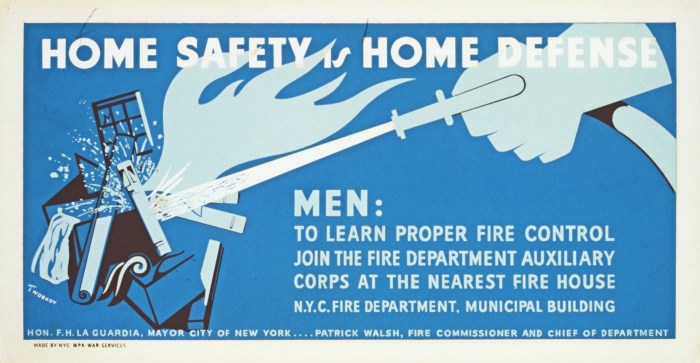
Adherence to safety standards enhances customer trust in construction services. Clients are more likely to choose contractors with a solid safety record, as it reflects a commitment to quality and reliability.Safety records can significantly impact customer satisfaction and retention. Construction firms that effectively communicate their safety practices to clients often build stronger relationships and foster repeat business.
The Interconnection of Business Consulting and Safety
Business consultants can play a pivotal role in aiding construction firms to improve safety standards. They provide valuable insights into performance metrics related to safety that companies should focus on to drive improvements.Successful consulting case studies illustrate how targeted strategies can lead to enhanced safety measures, ultimately benefiting the organization’s overall performance and reputation.
Final Summary
In conclusion, safety standards in construction are essential for ensuring worker safety and fostering a culture of responsibility. As we look ahead, the evolution of these standards will likely continue, driven by innovations and a growing awareness of their importance in the construction industry. By embracing these changes and prioritizing safety, companies can not only protect their workforce but also secure their own success and sustainability.
FAQ Corner
What are the main safety standards in construction?
The main safety standards include OSHA regulations, ANSI standards, and various local building codes designed to ensure safe construction practices.
How can construction companies improve safety compliance?
Companies can improve safety compliance by providing comprehensive training, investing in safety equipment, and fostering a strong safety culture among employees.
What role does HR play in safety standards?
HR plays a crucial role by organizing safety training, managing workplace injuries, and ensuring that safety policies are effectively communicated and implemented.
How do safety standards impact project costs?
While implementing safety standards may incur initial costs, they can lead to long-term savings by reducing accidents, minimizing liability, and lowering insurance premiums.
What are the challenges in maintaining safety standards?
Common challenges include resistance to change, lack of training, and insufficient resources to enforce safety protocols effectively.


